Managing ongoing waste for your business or large property shouldn’t feel like a constant, overwhelming headache. Permanent dumpster rental offers a reliable, long-term solution to keep your premises beautifully clean, safe, and fully compliant. Let’s dive into the essential guidelines that will save you time, money, and unnecessary stress.
Contents
Why Getting Your Long-Term Waste Strategy Right Matters
Have you ever walked past a commercial building or a large residential complex with an overflowing, incredibly smelly trash bin? Honestly, it’s not a great look, and it leaves a lasting negative impression on everyone who sees it. Whether you run a bustling restaurant in downtown Salt Lake City, manage a retail shop in Ogden, or oversee an apartment complex in Park City, how you handle your trash directly impacts your reputation.
You know what? It also impacts your bottom line. Managing waste effectively is about much more than just throwing away trash; it is about protecting public health, maintaining property values, and staying compliant with local Utah health and zoning codes. As experts at Utah Dumpster Rentals, we have spent years helping homeowners and business owners navigate the complexities of waste management. We have seen firsthand what works brilliantly and what leads to costly fines.
Let me explain. Setting up a long-term waste solution is a partnership. When you get the logistics right from day one, your waste management essentially runs on autopilot. When you don’t, you end up dealing with illegal dumping, pest infestations, and frustrated tenants or customers. Here is our authoritative guide to the vital do’s and don’ts of maintaining a commercial or residential dumpster on your property.
The Definitive DO’s of Long-Term Trash Management
To set your property up for success, you need to be proactive. Following these core “do’s” will ensure your waste collection is safe, efficient, and cost-effective.
DO Accurately Assess Your Waste Output
Here’s the thing: estimating your trash volume is the single most important step in this process. If you underestimate, you will be dealing with constant overflow, angry neighbors, and potential municipal fines. If you overestimate, you are paying for empty space. Track how many standard trash bags your property produces in a typical week, and factor in busy seasons (like the holidays for retail stores).
DO Choose the Optimal Location
Dumpster placement requires strategic thinking. Your container needs to be easily accessible for your staff or tenants, but it also must be positioned where our collection trucks can safely maneuver.
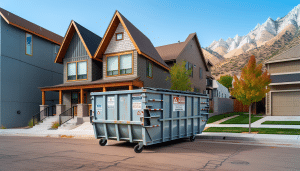
- Surface: Always place the dumpster on a hard, level surface like a concrete pad. Asphalt can soften in the intense Salt Lake City summer heat, and dirt turns to mud during spring thaws.
- Clearance: Ensure there are no low-hanging power lines, tree branches, or tight structural overhangs that could block the lifting mechanism of the garbage truck.
- Aesthetics: Whenever possible, place the bin behind a designated enclosure or fence to maintain your property’s curb appeal.
DO Understand Your Sizing Options
Selecting the right size is crucial for long-term efficiency. Below is a responsive table to help you understand which size might be the perfect fit for your specific property needs.
| Dumpster Size | Best Suited For | Typical Waste Volume | Ideal Property Types |
|---|---|---|---|
| 2-Yard | Low-volume waste, limited space | 12-15 standard trash bags | Small retail shops, duplexes, boutique offices |
| 4-Yard | Moderate waste, weekly pickups | 24-30 standard trash bags | Medium retail, small restaurants, medical clinics |
| 6-Yard | High-volume daily waste | 36-45 standard trash bags | Large restaurants, multi-family apartments |
| 8-Yard | Maximum volume, bulky waste | 48-60 standard trash bags | Warehouses, large residential complexes, hotels |
DO Lock Your Dumpster
Securing your dumpster is a step many property owners overlook until it is too late. Adding a padlock prevents illegal dumping—a massive problem in busy commercial districts where people try to avoid paying for their own trash disposal. It also keeps out scavengers and wildlife, ensuring your property remains sanitary.
The Costly DON’Ts You Must Avoid
Just as there are best practices to follow, there are critical mistakes you need to avoid to prevent property damage, safety hazards, and unexpected fees.
DON’T Throw Prohibited Items Inside
Let me explain how local environmental regulations work. Landfills and recycling centers have strict rules about what can and cannot be processed in general waste streams. Throwing hazardous materials into your standard bin can lead to severe environmental contamination and hefty fines for your business.
Never put the following items in your permanent commercial or residential dumpster:
- Hazardous Chemicals: Pesticides, motor oil, antifreeze, and industrial solvents.
- Flammables: Wet paint, gasoline, and propane tanks.
- Electronics (E-Waste): Computers, televisions, and heavy appliances containing freon (like refrigerators).
- Heavy Construction Debris: Concrete, brick, and dirt (these require specialized, heavy-duty roll-off containers due to weight limits).
- Automotive Parts: Car batteries and tires.
DON’T Overfill the Container
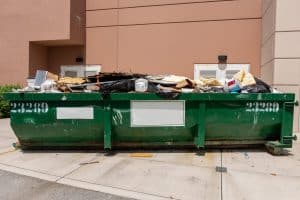
Have you ever seen a dumpster where the trash is piled three feet above the rim, and the lids are standing straight up? Not only is this an eyesore, but it is also a massive safety hazard. If the lids cannot close completely, the truck cannot legally or safely lift the bin, as debris could fly out and hit pedestrians or vehicles. If you find yourself constantly overfilling your container, it is time to upgrade to a larger size or increase your collection frequency.
DON’T Ignore Mother Nature
Leaving the lids open exposes your trash to the elements. High winds coming off the Wasatch Front can quickly turn your open dumpster into a neighborhood litter problem. Furthermore, rain and heavy snow will soak into the trash, making it incredibly heavy and potentially causing it to exceed the truck’s weight limit, which can trigger overage charges.
Local Considerations for Utah Properties
When you are managing a property in Utah, local geography and municipal codes play a massive role in how you handle your waste. Here is how your specific location impacts your rental strategy.
Salt Lake City Urban Density
In downtown Salt Lake City, space is often at a premium. Businesses frequently have to share alleyways and loading docks. In these high-density areas, coordinating pickup times to avoid blocking traffic and ensuring your bin doesn’t encroach on neighboring property lines is vital.
Ogden Historical Districts
If your business operates in or near historic downtown Ogden, you may be subject to specific aesthetic zoning laws. You might be required to house your permanent dumpster inside a matching brick enclosure or specific fencing so it doesn’t detract from the historic charm of the street.
Park City Wildlife and Weather
Honestly, operating a property in Park City brings entirely unique challenges. First, you are dealing with significant snowfall. You must have a solid snow removal plan to ensure the path to your dumpster is clear for our trucks all winter long. Second, wildlife is a very real concern. Bears, raccoons, and other animals are frequently drawn to food waste from restaurants and residential homes. In these areas, specialized wildlife-resistant locks are not just a good idea—they are an absolute necessity.
Homeowners vs. Businesses: Tailoring Your Approach
While we often think of permanent bins as a strictly commercial need, many homeowners managing large estates, equestrian properties, or multi-family rental units require ongoing waste solutions as well.
For homeowners, the primary concern is usually discretion. You want a waste management system that handles high volumes of landscaping debris, barn waste, or household trash without turning your beautiful property into an industrial zone. Smaller, well-placed 2-yard or 4-yard bins tucked behind a privacy fence often serve this purpose perfectly.
For businesses, the focus leans heavily toward operational efficiency and compliance. Restaurants need frequent pickups to prevent odors, while retail stores might need more volume capacity for breaking down large cardboard shipments. Whatever your specific situation dictates, establishing a clear line of communication with your rental provider ensures your individual needs are consistently met.
Ready to Streamline Your Waste Management?
Managing your property’s waste shouldn’t take time away from running your business or enjoying your home. By adhering to these essential do’s and don’ts, you will maintain a pristine property, avoid regulatory headaches, and keep your operational costs predictable.
At Utah Dumpster Rentals, we pride ourselves on delivering unmatched expertise, reliable service, and tailored solutions for properties across Salt Lake City, Ogden, and Park City. We understand the local codes, the weather challenges, and the unique needs of our community.
Are you ready to set up a seamless, stress-free waste management plan tailored exactly to your property’s needs? Call us today at 801-877-0684 to speak with our local experts, or easily Request a Free Quote to get started right away. Let us handle the heavy lifting so you can focus on what you do best.