
THE RENTAL FIELD GUIDE
Roll-Off Dumpster Rental Guide for Utah Projects
A practical guide to choosing a dumpster, planning delivery, loading safely and arranging pickup.
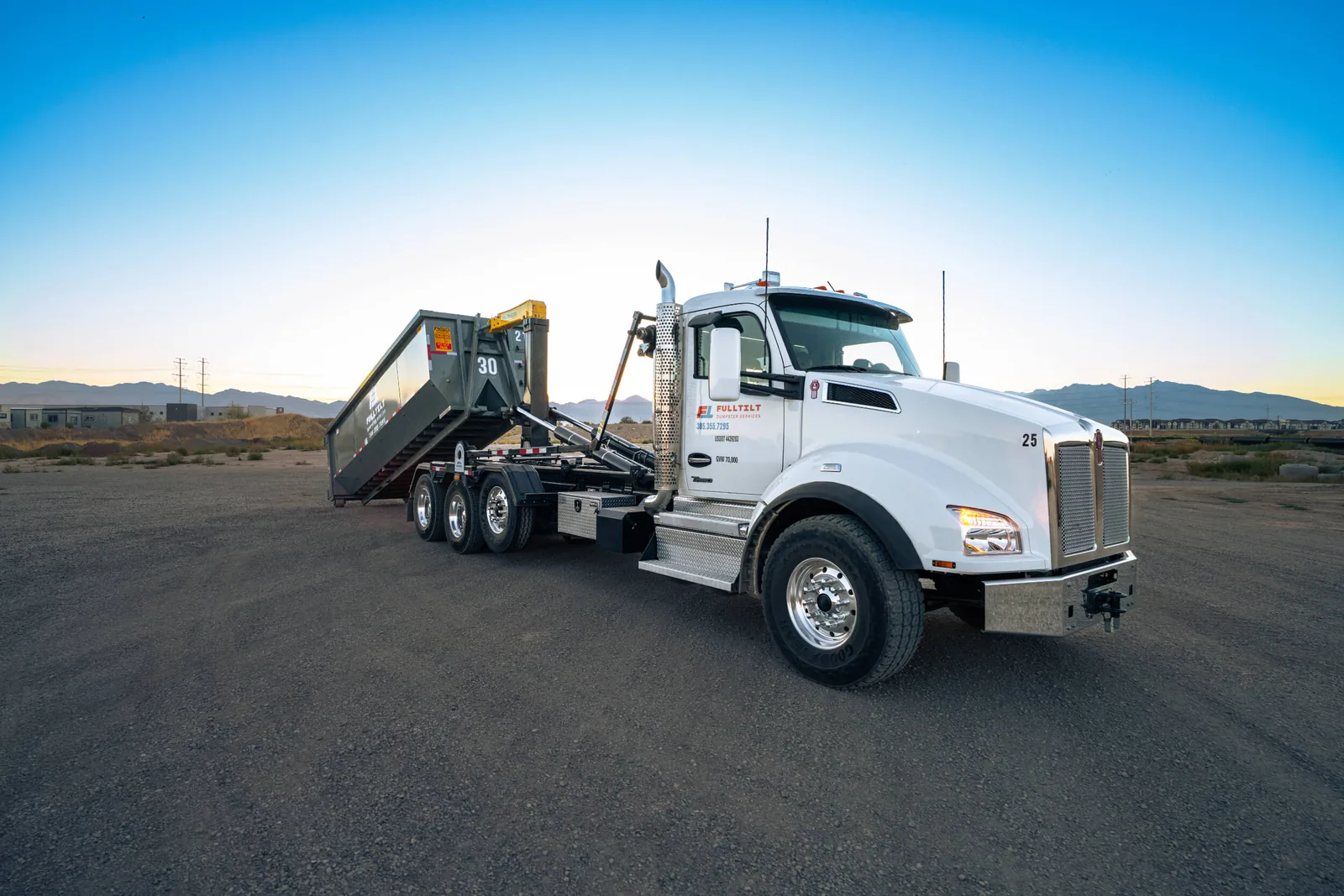
A roll-off dumpster is useful when a project creates more debris than ordinary trash service can handle. This guide explains how to choose a size, prepare for delivery, load safely and avoid quote surprises in Utah.
Start With the Project and Material
List everything you expect to remove before choosing a container. Furniture and branches create volume. Concrete, dirt, shingles and tile can create a weight problem long before the dumpster looks full.
Compare 15, 20 and 30-Yard Dumpsters
Use the full size guide for dimensions and allowances. A 15-yard container can fit focused cleanouts and remodeling. A 20-yard container provides more room for larger residential or contractor work. A 30-yard container is intended for large-volume cleanup and construction, not automatically for dense heavy material.
Plan the Delivery Area
- Choose a firm and level surface.
- Allow truck access and overhead clearance.
- Move vehicles, trailers and low obstacles.
- Check property or local rules if the container will not sit entirely on private property.
Load Safely
Spread weight evenly, keep every item inside the walls and stop at the fill line. Do not add undisclosed heavy material, liquids, batteries, chemicals, refrigerants or other prohibited items.
Understand the Quote
Size, material, weight, address, rental period and additional pickups all affect cost. Read the Utah pricing guide and confirm the exact terms before delivery.
Choose the Right Project Page
Review the guides for residential cleanup, construction, roofing, yard waste or heavy debris.
A quick project brief for your quote
Walk through the project before you order. Separate the bulky material from the dense material, estimate the amount, and photograph the proposed placement area for your own planning. A “small remodel” description is less useful than “kitchen cabinets, drywall, countertop and ceramic floor tile.” Mention all of those materials so the team can review volume and weight together.
- Location: full street address, gate or alley access, placement surface and any property restrictions.
- Load: main materials, dense debris, appliances and other special-handling items.
- Timing: preferred delivery, how long work will run, and whether a swap may be needed.
- Terms: included weight, rental period, pickup process and additional-charge conditions.
Do not solve a weight problem with a bigger box
A 30-yard container gives you more volume than a 15-yard container, not permission to load more of every material. Roofing, tile, soil and concrete can reach an approved hauling limit long before the box is full. Compare the three size guides, then confirm the material-specific loading plan.
Before the truck arrives
Move vehicles and loose items away from the agreed area. Tell the team about gates, steep slopes, overhead cables or branches. Keep the access route available for pickup, too. Street placement and private-property placement are separate planning questions; see the permit and placement guide before using public space.
Ready for a dumpster rental quote?
Tell us where the dumpster is going, what you are loading, and your preferred dates. We will help you choose the right size and confirm current availability.
YOUR NEXT STEP
Ready to make room?
Tell us where the dumpster is going, what you are loading and your preferred dates. We will review the right container and current availability.