
THE RENTAL FIELD GUIDE
What can go in a dumpster?
Material acceptance is more specific than “it fits.” Confirm the load before filling your container.
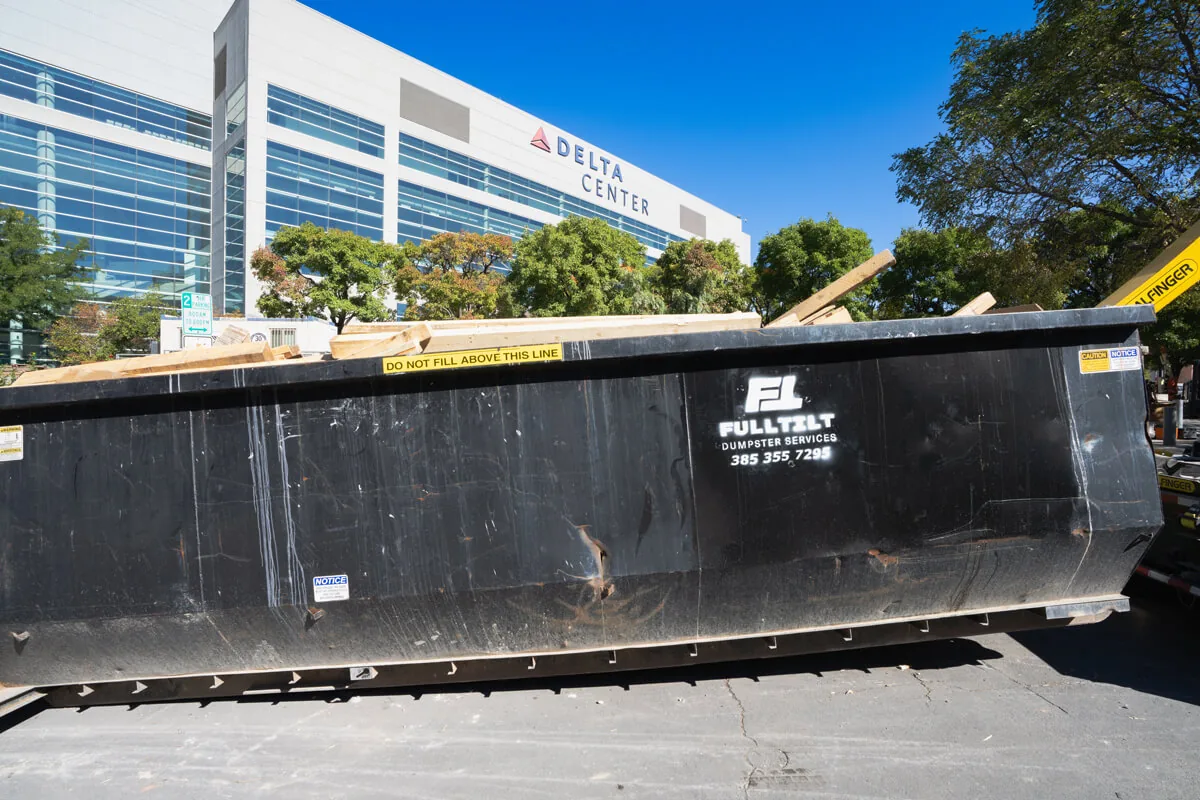
Describe the complete load
Household clutter, furniture, renovation debris, roofing and yard waste have different volume, weight and handling needs. Listing each material helps the team select a suitable container and quote.
Heavy debris needs its own plan
Concrete, dirt, brick, asphalt, tile and roofing shingles can be much heavier than they look. Ask about a material-specific container, clean-load rules and loading limits before adding dense material.
Keep special-handling waste separate
Do not add liquids, chemicals, batteries, propane tanks, asbestos or other hazardous material without an explicitly approved disposal arrangement. Tires, mattresses, appliances and electronics may have separate handling requirements. Confirm the operator policy rather than assuming the receiving facility accepts every item in an ordinary roll-off.
Three rules that are not interchangeable
- The rental operator decides what can go in the container.
- The receiving facility decides how an accepted load is handled.
- Household hazardous-waste drop-off is a separate service and may exclude business waste.
The Salt Lake County landfill materials page lists facility-specific requirements. The Weber-Morgan Health Department provides local waste and household-disposal guidance. Neither is permission to mix restricted material into your rental.
Include all materials in Project Details before scheduling delivery.
Use a complete material list
| Material group | What to disclose |
|---|---|
| Household or office cleanout | Furniture, appliances, electronics and other special-handling items, not just “junk.” |
| Remodeling or construction | Drywall, lumber, flooring, roofing and every dense material mixed into the load. |
| Concrete, dirt or masonry | Material type, estimated amount and contamination; get approval before loading. |
| Landscaping | Branches and brush separately from soil, sod, rock and treated wood. |
| Liquids, chemicals, batteries or regulated waste | Keep separate and ask about an appropriate handling route rather than placing them in the ordinary load. |
Facility acceptance is not container permission
Salt Lake County’s landfill guidance distinguishes different waste types and residential-only collection streams. The Weber-Morgan Health Department also publishes local hazardous-waste information. A material may be accepted through a particular facility program without being permitted in your rented dumpster.
Full Tilt’s order-specific acceptance and loading rules control what may go in the rental. Confirm them for the actual container, material and disposal plan.
If the load changes after delivery
Call before adding a new material, especially concrete, soil, roofing, appliances or regulated items. Keep prohibited items out and ask about a separate handling route. Do not bury them under ordinary debris or assume an additional fee makes them acceptable.
YOUR NEXT STEP
Ready to make room?
Tell us where the dumpster is going, what you are loading and your preferred dates. We will review the right container and current availability.